Your home or commercial property is likely your biggest financial investment, but it is constantly under siege from the elements, natural wear and tear, and the steady march of time. Property ownership brings incredible pride, yet it also demands consistent vigilance. The biggest mistake many property owners make is adopting a reactive mindset—waiting for something to leak, crack, or break entirely before giving it any attention.
Neglecting minor maintenance tasks leads to a compounding maintenance deficit. What starts as a tiny trickle of water or a barely noticeable draft can quickly escalate into a catastrophic structural failure, resulting in massive emergency repair bills that could have been avoided with simple, routine care. Taking a proactive, seasonal approach to both interior and exterior upkeep keeps your costs predictable and your property safe. This comprehensive guide provides specific, actionable steps to audit, maintain, and protect your asset from the roof down to the foundation.
Clear Debris to Prevent Roof Rot and Ice Dams
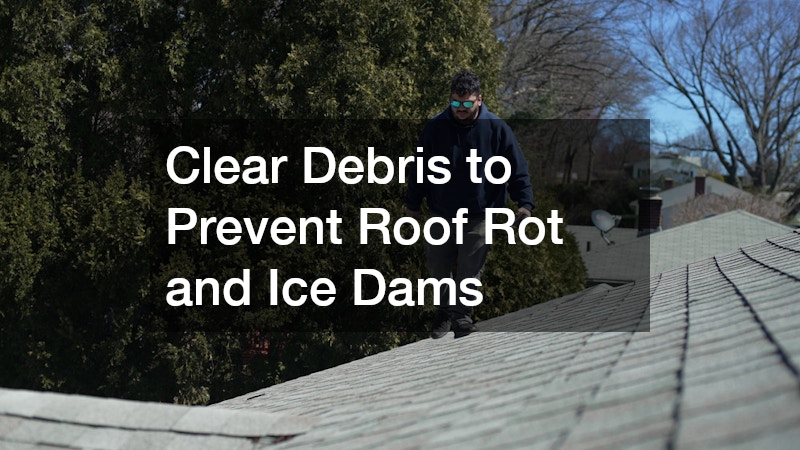
Roof maintenance should begin at the very edge of your roofline. Throughout the year, leaves, twigs, pine needles, and airborne debris collect along your roof valleys and pool inside your gutters. When autumn leaves accumulate, they create a dense, sponge-like mat that traps moisture directly against the fascia boards and the lower edge of your roofing shingles. During winter, this trapped water freezes, creating ice dams that force melting snow backward underneath your shingles, rotting the plywood decking below.
To prevent this destructive cycle, perform a thorough inspection and clearing at least twice a year, ideally in late spring and late autumn.
- Use a sturdy extension ladder with a stabilizer bar to avoid damaging aluminum tracks.
- Scoop out loose debris into a bucket rather than washing it down the spout, which can cause subterranean blockages.
- Flush the entire system with a garden hose to check for leaks along seams and ensure water flows freely away from your foundation.
- If navigating heights makes you uncomfortable, hiring professional gutter cleaning services ensures the job is done safely and thoroughly.
Clean Siding and Walkways to Stop Algae Growth
Exterior walls and walkways are highly susceptible to organic growth, particularly on the north-facing sides of a property that receive minimal sunlight. Green algae, black mold, and mildew thrive on vinyl siding, stucco, and brick, slowly degrading the material finishes and ruining your curb appeal. Furthermore, moss and algae growing on concrete walkways or stone pavers become incredibly slick when wet, posing a severe liability risk for slip-and-fall injuries.
A systematic deep clean restores these surfaces and prevents organic matter from etching into concrete or staining your siding.
- Inspect siding for damage, cracking, or loose panels before applying any water pressure.
- Use a specialized low-pressure soft wash technique for delicate surfaces like stucco, painted wood, or older vinyl to avoid driving water behind the walls.
- For durable concrete driveways, brick patios, and stone walkways, utilization of professional pressure washers will strip away deeply embedded grime, moss, and slick oil stains.
- Always apply an eco-friendly biocide treatment after cleaning to kill remaining microscopic spores and retard future algae growth.
Manage the Canopy to Protect Your Roofline
Large trees provide excellent shade and energy savings, but their branches require careful management. Overhanging limbs act as a highway for pests seeking access to your attic and scrape against roofing shingles during high winds, stripping away the protective mineral granules. Furthermore, dead or diseased branches can snap without warning during a heavy storm, crashing through roofs or pulling down live power lines.
Implementing a proactive tree management plan protects your structures from physical impact.
- Maintain a strict ten-foot clearance zone between any tree branches and your roofline or exterior walls.
- Visually inspect tree trunks for deep vertical cracks, fungal growth near the base, or heavy leaning, which indicate structural instability.
- Trim back weak, crossing, or dead branches to allow wind to pass safely through the canopy rather than catching it like a sail.
- For large-scale canopy management or removing limbs close to utility lines, engaging certified tree trimming contractors mitigates the immense safety risks involved.
Keep Catch Basins Clear to Avoid Yard Flooding
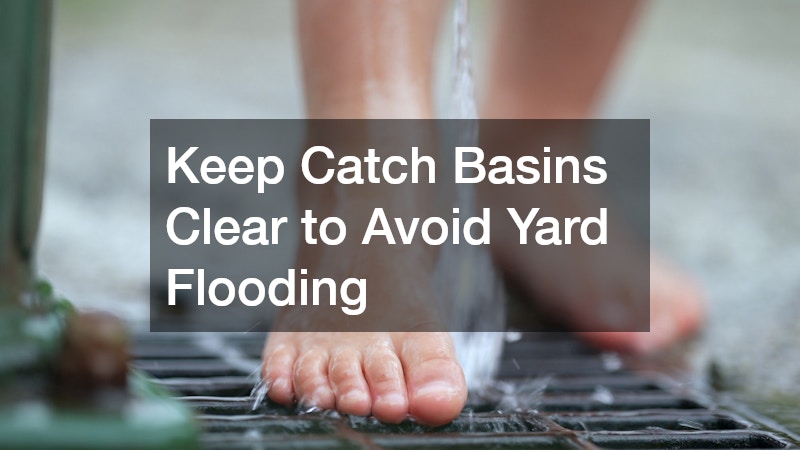
While surface drainage is important, subterranean drainage systems are vital for properties with low-lying areas or heavy rainfall patterns. Perimeter French drains, catch basins, and grated storm systems are designed to collect massive volumes of surface runoff and channel it toward municipal systems. Over time, these grates collect grass clippings, silt, road salt, and plastic trash, suffocating the system and causing localized flooding that can seep into your basement or erode landscaping.
Proactive drainage management keeps your property dry even during severe downpours.
- Clear surface debris from all drainage grates before and immediately after any major rain event.
- Remove the grates annually to scoop out accumulated mud and gravel from the bottom of the catch basins.
- Flush underground pipes with a high-flow hose to verify that water moves through the lines without backing up.
- If a subterranean pipe becomes choked with thick tree roots or packed mud, scheduling professional storm drain cleaning will clear the obstruction and restore full volumetric flow.
Revitalize High-Traffic Fibers to Extend Their Lifespan
Carpeting is a significant financial investment that acts as a giant air filter for your indoor environment, trapping dust, pollen, pet dander, and tracked-in soil. When foot traffic passes over a dirty carpet, individual sand and dirt particles act like tiny razor blades, grinding against the synthetic or wool fibers. This abrasive action cuts the fibers at the base, leading to premature thinning, matting, and irreversible traffic lanes.
Regular maintenance protocols preserve the appearance and health of carpeted environments.
- Vacuum high-traffic pathways at least twice a week using a vacuum equipped with a certified HEPA filter to capture fine particulates.
- Address spills immediately by blotting with a clean microfiber cloth; never scrub, as scrubbing spreads the liquid and distorts the fiber twist.
- Schedule a professional deep cleaning at least once a year to extract deeply embedded grit that standard vacuums cannot reach.
- Utilizing industrial carpet cleaning services that employ hot-water extraction will sanitize the fibers, pull out oily soils, and restore the original resilience of the carpet pile.
Seal and Protect Hard Surfaces Against Heavy Wear
Hard flooring options like tile, natural stone, hardwood, and luxury vinyl plank are durable, but they are not indestructible. Grout lines between tiles are highly porous, readily absorbing dirty mop water, grease, and spilled liquids, which leads to permanent discoloration and foul odors. Hardwood and stone surfaces can suffer from micro-scratches caused by grit, stripping away protective sealants and exposing the raw material underneath to moisture damage.
Preserving hard surfaces requires a balance of daily care and periodic technical maintenance.
- Sweep or dust-mop hard floors daily to remove abrasive dirt before it can scratch the surface finish.
- Use damp mops with pH-neutral cleaners specifically formulated for your specific floor type; avoid harsh bleach or ammonia mixtures that strip sealants.
- Periodically inspect grout lines for cracking or crumbling, which allows water to seep beneath tiles and loosen the adhesive bond.
- For large commercial areas or heavily soiled residential natural stone, investing in specialized floor cleaning routines involving machine buffing and resealing creates an impenetrable barrier against stains and wear.
Clear Slow Drains Before They Turn Into Floods

Drainage systems are built on gravity and smooth, unobstructed pathways. Unfortunately, daily use introduces hair, soap scum, cooking grease, and food waste into waste lines. These materials coat the interior walls of your pipes, slowly narrowing the passage until a total blockage occurs. A slow-draining sink or a gurgling toilet is not a minor inconvenience; it is an early warning sign that an expensive, unsanitary backup is imminent.
Maintaining free-flowing plumbing lines requires behavioral changes and proactive cleaning.
- Install mesh strainers in every shower, tub, and sink to catch hair and food waste before they enter the waste stream.
- Never pour cooking oil, grease, or fats down the kitchen sink; instead, let them solidify in a container and dispose of them in the trash.
- Avoid using chemical drain-opening liquids, as their corrosive nature can melt PVC pipes, corrode older cast iron, and damage the environment.
- If a mainline is draining sluggishly or backing up into lower fixtures, calling in professional drain cleaning services will safely clear the pipe walls without jeopardizing your plumbing infrastructure.
Identify and Isolate Hidden Moisture Zones
High indoor humidity and hidden leaks create prime breeding grounds for microscopic fungal spores. Bathrooms, basements, crawlspaces, and areas surrounding water heaters are particularly vulnerable. If indoor relative humidity stays above 60%, moisture begins condensing on walls and ceiling tiles, providing the perfect fuel for toxic fungal colonies that degrade structural materials and compromise respiratory health.
Controlling moisture requires a combination of strict humidity management and rapid remediation.
- Deploy digital hygrometers in your basement and crawlspaces to monitor humidity levels, running heavy-duty dehumidifiers to keep levels consistently below 50%.
- Inspect the water heater tank, washing machine hoses, and under-sink plumbing monthly for slow drips or signs of corrosion.
- Ensure all bathroom and kitchen exhaust fans are vented completely to the outside of the building, rather than venting into the attic space.
- If you discover an extensive patch of fuzzy black or green growth on drywall or framing after an undetected leak, immediately contacting a certified mold remediation company is crucial to safely isolate the contamination and remove it under negative air pressure.
Seal the Envelope to Deny Entry to Rodents and Insects
Mice, rats, squirrels, and various crawling insects are constantly looking for shelter, warmth, and food. A mouse can squeeze through a hole the size of a dime, while a rat can utilize an opening no larger than a quarter. Once inside, rodents chew relentlessly on structural elements and plastic coatings on wiring, creating significant fire hazards.
Hardening your property’s perimeter prevents these pests from establishing a foothold.
- Conduct a thorough walk-round inspection of your foundation, paying close attention to areas where utility lines, pipes, and cables enter the structure.
- Stuff any gaps or holes with heavy-duty stainless steel mesh or copper mesh, then seal the opening completely with a high-quality exterior silicone caulk.
- Replace damaged door sweeps and install durable wire mesh screens behind crawlspace vents and attic exhaust vents.
- Keep firewood stacks, compost bins, and dense shrubbery at least fifteen feet away from the exterior walls to remove potential nesting environments.
- If an infestation has already made its way deep into your walls, crawlspaces, or attic floorboards, hiring experienced exterminators will ensure the breeding populations are completely eliminated.
Establish a Seasonal Perimeter Barrier
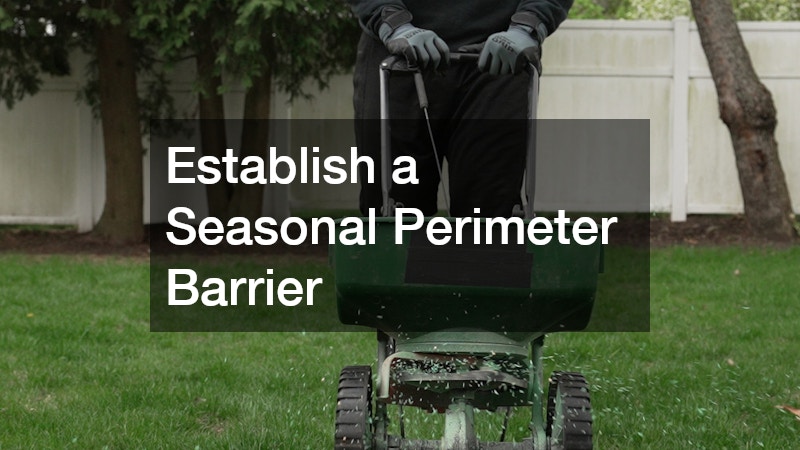
While sealing physical entry points handles larger pests, microscopic insects like termites, carpenter ants, and fleas require chemical or biological defense barriers. Termites alone cause billions of dollars in property damage annually, quietly eating away at internal wall studs and sill plates without showing obvious external signs until severe structural sagging occurs.
Creating a hostile environment for bugs around your property preserves your structural investment.
- Maintain a gravel or stone border between your foundation walls and any garden mulch, as wood mulch retains moisture and attracts wood-destroying insects.
- Ensure your lawn is regularly mowed and leaf litter is removed promptly to reduce breeding habitats close to the structure.
- Inspect structural wood components in basements and crawlspaces for mud tubes or fine sawdust-like frass, which indicate active insect boring.
- Partnering with a licensed pest control service allows you to establish a regular, seasonal perimeter spray barrier that deters invasive insects before they ever cross your threshold.
Property maintenance is not an optional expense or a chore to be indefinitely postponed; it is a vital investment that pays massive dividends in preserved property value, structural safety, and long-term peace of mind. By breaking down your property maintenance tasks into manageable, seasonal categories—covering everything from the topmost roof shingles down to the subsurface drainage lines and foundational barriers—you remove the stress of unpredictable structural emergencies.
Create a personalized maintenance calendar, systematically audit your home or commercial building throughout the year, and never hesitate to delegate complex or inherently dangerous tasks to skilled, vetted professionals. Taking control of your maintenance today ensures that your property remains a safe, valuable, and beautiful asset for many years to come.