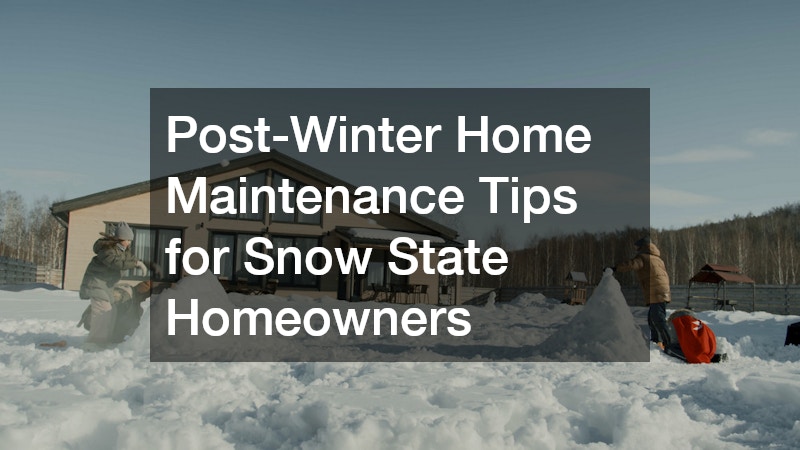
Winter in snow-heavy regions can be extremely taxing on homes, often causing damage that isn’t immediately visible. Prolonged exposure to heavy snowfall can put tremendous weight on roofs, potentially leading to sagging, cracked shingles, or even structural compromise. Ice accumulation in gutters and along eaves can create ice dams, which may allow water to seep into attics and walls, causing hidden leaks and water damage. Additionally, fluctuating temperatures throughout the winter can cause building materials to expand and contract, resulting in small cracks in siding, foundations, and masonry that gradually worsen over time. Even minor issues can snowball into significant problems if left unaddressed, especially when spring thaw exposes them to rain and warmer weather.
As homeowners begin transitioning into spring and preparing for summer, addressing these lingering effects becomes critical to maintaining both comfort and safety. Post-winter maintenance is not just about keeping a home visually appealing—it’s about ensuring all systems function properly and mitigating risks that could compromise the home’s structural integrity. Small, overlooked issues such as a leaking roof, frozen pipes, or blocked drainage systems can quickly escalate into costly repairs if proactive steps aren’t taken. For example, an undetected roof leak can lead to interior water damage, mold growth, and decreased energy efficiency, while minor plumbing issues may result in burst pipes or reduced water pressure during peak summer use.
Taking the time to inspect, repair, and refresh key home systems allows homeowners to move into the warmer months with confidence. Structural elements such as roofs, gutters, and foundations need careful examination to ensure they have not sustained hidden damage from snow and ice. Plumbing systems, including pipes, valves, and outdoor water access points, should be checked for leaks, corrosion, or damage caused by freezing temperatures. Landscaping elements, like trees, shrubs, and lawns, also require attention after being exposed to snow and ice, as heavy snow can break branches, compact soil, or damage root systems. Water systems, including well pumps, treatment equipment, and irrigation setups, need to be evaluated for functionality and safety to ensure reliable operation during summer use.
Being proactive with maintenance allows homeowners to enjoy a home that is safe, efficient, and comfortable throughout the summer season. It minimizes the risk of unexpected disruptions, such as emergency repairs, water damage, or power outages, which can be both stressful and costly. By planning ahead and addressing issues promptly, homeowners can extend the lifespan of key systems, maintain property value, and create an outdoor and indoor environment that is ready for the increased activity and use that summer often brings. This approach also provides peace of mind, knowing that both visible and hidden post-winter problems have been identified and corrected before they escalate.
Inspect and Repair Roofs and Gutters Early
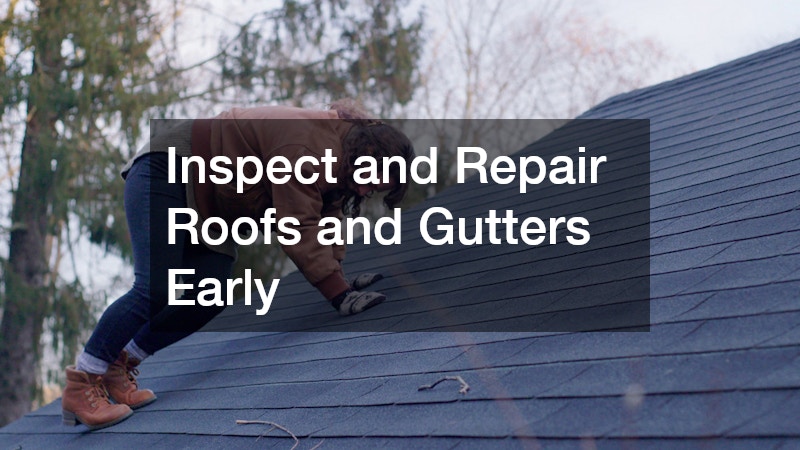
The roof is one of the most vulnerable areas of a home during winter. Snow and ice can cause damage to shingles, flashing, and gutters, leading to leaks, water damage, and reduced energy efficiency. Scheduling a thorough inspection early in the season can prevent minor problems from escalating into major repairs.
Homeowners should look for the following signs of potential roof damage:
- Missing, cracked, or curling shingles
- Water stains or leaks in the attic
- Damaged or sagging gutters and downspouts
- Ice dams that may have formed during winter
Working with a local roof repair service can ensure these issues are properly addressed. Professionals can evaluate the structural integrity of the roof, repair or replace damaged materials, and provide recommendations to prevent future problems. Early intervention helps preserve the roof’s lifespan and reduces the likelihood of emergency repairs during storms or heavy summer rains.
Garage doors also endure significant stress during winter months. Cold temperatures can cause mechanical components to contract, and ice or debris can impede movement. Inspecting and testing garage door openers after winter is important for safety and convenience. Signs that local garage door opener repairs may be necessary include:
- Doors that move slowly or unevenly
- Unusual noises such as grinding or squeaking
- Difficulty opening or closing the door fully
- Malfunctioning sensors or automatic reverse features
In addition to professional repairs, homeowners can perform basic maintenance tasks themselves, including lubricating moving parts, clearing tracks of debris, and testing safety mechanisms. Addressing these issues early ensures garage doors function reliably and reduces the risk of injury or damage to vehicles and property.
Check Plumbing Systems for Winter Wear
Plumbing systems can be severely affected by freezing temperatures and ice buildup during winter. Even minor freezing events may weaken pipes, cause small leaks, or leave sediment buildup in the system. To prevent summer disruptions, homeowners should schedule inspections with plumbing services to check for leaks, corrosion, or other issues that may have developed over the winter.
A thorough post-winter plumbing inspection should include:
- Examining visible pipes for cracks, leaks, or bulges
- Checking faucets, valves, and outdoor spigots for damage
- Flushing systems to remove sediment accumulation
- Inspecting water heaters for signs of wear or reduced efficiency
Proper plumbing maintenance also ensures that outdoor water access points, such as garden hoses or irrigation systems, are ready for use. Maintaining these systems prevents water waste and ensures plants and lawns receive adequate hydration during the warmer months.
In addition to standard plumbing maintenance, homeowners with snowplow equipment should inspect their tools after months of storage. Snowplows and related accessories often sit idle during warmer months, and mechanical parts can seize, corrode, or deteriorate. Key maintenance tasks include:
- Cleaning and lubricating moving parts
- Checking hydraulic lines and electrical connections
- Inspecting blades for wear or damage
- Ensuring mounting hardware is secure and free of rust
Proper maintenance of snowplow equipment not only extends its lifespan but also ensures it is ready for the next winter season without costly repairs.
Refresh Insulation and Air Flow
Winter conditions can expose gaps, settling, or damage in home insulation. Cold air infiltration, ice dam formation, and high heating demand may have highlighted areas where insulation is insufficient or damaged. Scheduling a consultation with local insulation companies can help homeowners improve energy efficiency, reduce cooling costs during summer, and enhance overall indoor comfort.
Homeowners should inspect insulation in the following areas:
- Attics and crawl spaces
- Basements and exterior walls
- Around windows, doors, and ductwork
Upgrading insulation or sealing gaps reduces heat loss during colder months and keeps interiors cooler during summer. Proper insulation also supports HVAC system efficiency, preventing unnecessary energy consumption and costly utility bills.
Air quality is equally important after months of closed windows and heavy heating. Air ducts accumulate dust, debris, and allergens over time, especially during the winter when airflow is constant. Hiring air duct cleaning companies ensures that HVAC systems distribute clean, fresh air throughout the home. Benefits of professional duct cleaning include:
- Improved indoor air quality
- Increased efficiency of heating and cooling systems
- Reduced risk of mold or mildew growth in ductwork
- Removal of winter-related dust, pet hair, and debris
By addressing insulation and air flow post-winter, homeowners can create a more comfortable, energy-efficient environment and reduce the likelihood of summer HVAC problems.
Maintain Outdoor Spaces and Driveways
Winter weather can take a serious toll on driveways, walkways, and landscaping. Ice, snow, and salt can cause cracks, surface degradation, and uneven areas. Similarly, trees may have suffered broken limbs, frost damage, or weakened root structures. Addressing these issues early prevents accidents and prepares outdoor areas for summer activities.
Paving companies can assist with repairing or resurfacing driveways affected by winter wear. Typical services include:
- Filling cracks and sealing surfaces
- Leveling uneven areas to prevent tripping hazards
- Replacing sections damaged by freeze-thaw cycles
Properly maintained driveways not only improve safety but also enhance curb appeal. A smooth, clean driveway can make the home look well cared for and inviting.
Tree service is another critical post-winter task. Snow and ice often cause branches to break or weaken, creating potential hazards for people, structures, and vehicles. Tree care professionals can:
- Remove broken or dead branches
- Prune overgrown trees for safety and aesthetics
- Evaluate overall tree health to prevent future problems
- Provide preventive treatments for pests or disease
Maintaining outdoor spaces after winter ensures yards, driveways, and landscaping are safe, functional, and visually appealing, setting the stage for enjoyable summer use.
Prepare Chimneys and Fireplaces for Seasonal Use
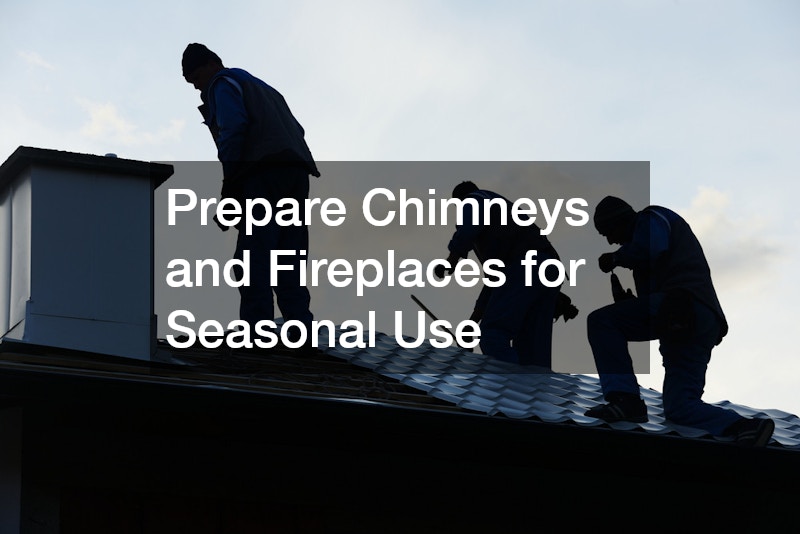
Chimneys and fireplaces often see heavy use during the winter months. Accumulated soot, creosote, and debris can create fire hazards or reduce airflow. After winter, it’s important to schedule a thorough cleaning and inspection with a local chimney sweep.
Post-winter chimney maintenance should include:
- Removing soot and creosote buildup
- Inspecting chimney structure for cracks or deterioration
- Checking flues and vents for blockages
- Verifying proper operation of dampers and caps
Even if fireplaces are used sparingly in warmer months, maintaining chimneys ensures they remain safe for occasional fires or future winter use. Regular inspections also prevent long-term damage that could be costly to repair.
Assess and Protect Water Systems
Winter can affect water quality and treatment systems, particularly if pipes were exposed to freezing temperatures or sediment buildup occurred. Scheduling a visit with local water treatment companies helps ensure that systems function correctly and provide safe, clean water for drinking, irrigation, and other household needs.
Key post-winter water system tasks include:
- Flushing pipes to remove stagnant water or debris
- Checking filters and water softeners
- Inspecting tanks and treatment units for damage
- Ensuring connections are secure and leak-free
Regular maintenance of water systems protects home health, prevents costly repairs, and ensures reliable water flow during high-demand summer months.
General Tips for Post-Winter Home Safety
In addition to specific systems, homeowners should perform general inspections around the property to catch any winter-related damage. This includes checking siding, windows, doors, decks, and outdoor lighting. Key safety tips include:
- Inspect exterior walls and trim for cracks, peeling paint, or water damage
- Examine windows and doors for leaks or drafts
- Check decks and porches for structural integrity, loose boards, or rusted fasteners
- Clean and test outdoor electrical outlets and lighting
- Review insurance coverage to ensure winter damage is accounted for
Creating a checklist of seasonal tasks helps homeowners stay organized and ensures no maintenance items are overlooked. Tackling these tasks early prevents small issues from becoming major problems later in the season.
Conclusion
Addressing these areas proactively helps ensure that a property remains safe, efficient, and comfortable as the seasons change. Scheduling professional services is a key part of this process. A local roof repair service can identify damage and perform necessary repairs to prevent leaks and further deterioration. Local garage door opener repairs ensure that doors operate safely and reliably after the stress of winter conditions. Plumbing services can identify leaks, replace worn components, and flush systems to maintain consistent water pressure and quality. Tree service professionals can remove broken or hazardous limbs, perform preventive pruning, and maintain the health of the landscape. Local chimney sweep services prevent fire hazards and remove winter debris, while local water treatment companies ensure that water systems are clean, functional, and free of contaminants. Each of these services addresses specific post-winter vulnerabilities, preventing minor damage from escalating into costly emergencies.
Complementing professional services with routine inspections and minor maintenance tasks allows homeowners to further protect their property. Regular air duct cleaning helps maintain indoor air quality, removing dust, allergens, and debris accumulated during the winter. Insulation checks ensure that attics, crawl spaces, and exterior walls are properly sealed, improving energy efficiency and indoor comfort. Minor repairs, such as sealing small cracks in driveways, tightening loose outdoor hardware, or refreshing exterior paint, also contribute to the long-term durability and appearance of the home. Together, these proactive measures extend the lifespan of key systems, reduce the likelihood of unexpected problems, and help homeowners enjoy a seamless transition into warmer weather.
Consistent care, thoughtful upgrades, and scheduled maintenance offer both functional and aesthetic benefits. By protecting the value and safety of the home, homeowners also create outdoor spaces that are more enjoyable and usable throughout the summer. Well-maintained landscaping, safe driveways, reliable water systems, and fully functional outdoor features allow families to relax, entertain guests, and make the most of their property during the warmest months. Investing time and attention into post-winter maintenance ensures that homes remain efficient, comfortable, and visually appealing, while preventing avoidable expenses and disruptions that could otherwise detract from summer enjoyment.